

Nov 16, 2026
One-pot meals are an easy way to make nutritious, high-fiber meals using proteins, veggies, whole grains, and healthy fats. Give this tasty one-pot recipe a try!
Busy schedules can leave little time for you to prepare healthy food. One-pot meals to the rescue! Meals cooked in one pot, like soups and stews, tend to be easy and quick to make and serve. They can also be nutritious if you load them with healthy ingredients and limit salt, sugar, and saturated fat.
One-pot meals are sometimes called one-pan cooking. You don’t need a fancy slow cooker. You can either use a pan on the stove, or a small casserole dish or sheet pan in the oven.
Try whipping up a tasty dinner in your kitchen by combining flavorful, nutritious ingredients cooked in one pot. You’ll find this can be an easy and yummy way to fit healthy eating into your hectic life.
Plan before you start to cook
You can try the recipe below or come up with your own. When you consider recipes to use or create, first think of your needs. Are you cooking for one, for two, or for a large family? Do you want to cook enough so that you have leftovers or enough left to freeze for future meals?
Also, make a quick inventory of what you already have in your kitchen. Look for staple foods in your pantry and foods in your fridge or freezer that you might toss into an appealing one-pot meal.
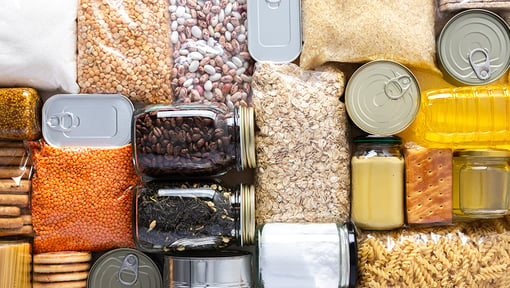
The food “building blocks” of a nutritious one-pot meal
Use this simple formula to create healthy one-pot meals. Add together:
-
Protein (such as chicken, turkey, beans, tofu, or seafood)
-
Veggies (such as stewed or fresh tomatoes, green peppers, onions, carrots, celery, spinach, kale, peas)
-
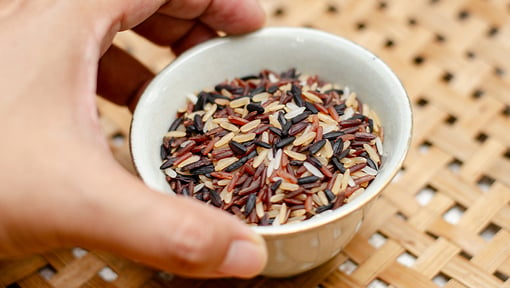
Whole grains (such as brown/wild rice or quinoa)
-
Fats (such as nuts, seeds, or olive oil)
- Seasoning (such as lemon juice, garlic, herbs & spices, balsamic vinegar, tomato sauce)
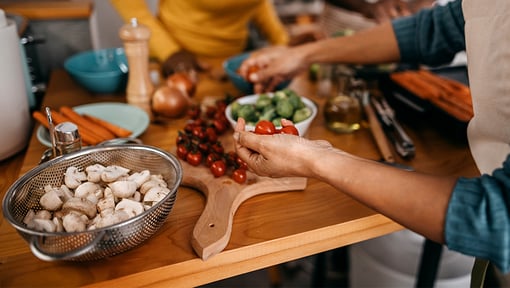
A note on how to put these foods together
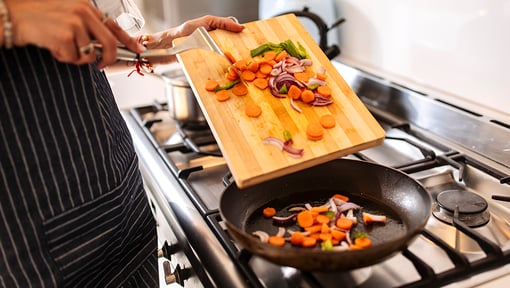
Some foods call for being sauteed or cooked before adding them to your one-pot meal. For example, you may want to first sauté chicken in olive oil. Or you may want to cook rice before adding veggies to your one-pot meal. You can use your one pot or pan to do this. Just add the remaining ingredients that need less cooking time to the pot later. You may also prefer to sprinkle nuts on top of your dish as a finishing touch to add crunch. It’s up to you!
Why to include these food groups in your meal
When you use all these types of foods in your meal, you will maximize your food plan’s health benefits. Here are reasons to include each of the types of foods listed below:
Protein
There are many kinds of protein. They are the building blocks of life. Every cell in the body contains protein. It helps repair cells and make new cells. In children, protein enhances growth.
The protein you eat in food breaks down into amino acids during digestion. Your body needs several kinds of amino acids in large enough amounts to maintain good health.
You can find protein in animal sources such as meat, milk, fish, and eggs. You can also find it in plant sources such as tofu, tempeh, beans, lentils, dried peas, nuts, and nut butters. Most vegetables contain some amount of protein, as well, and whole grains such as wheat and quinoa also have protein.
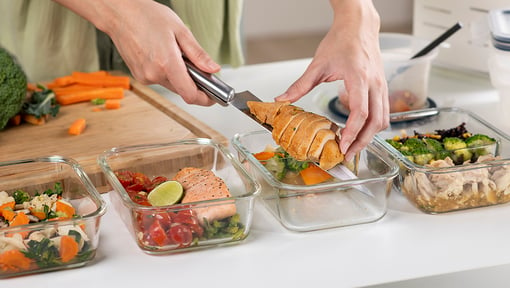
Vegetables
Eating a variety of veggies offers many health benefits. They can:
-
Boost immunity to help you fight illness
-
Raise energy levels
-
Lower the risk of chronic health conditions
-
Improve heart health
The fiber in veggies helps with digestion—a major benefit. Also, green and root veggies are rich in vitamins and minerals that nourish healthy bacteria in the gut. This in turn can help improve your digestion and your body’s absorption of nutrients from the food you eat.
Whole grains
Whole grains contain vitamins and minerals important for your overall health. Also, the high fiber content of whole grains may help support health cholesterol, blood sugar, and blood pressure levels. These benefits in turn may lower the risk of:
-
Heart disease
-
Stroke
-
Type 2 diabetes
-
Colorectal cancer
Fats
Your body depends on fats for many functions. Fats help you absorb and store key vitamins, such as A, D, E, and K. Fats also help satisfy your hunger and signal when you are full. Unsaturated fats, which come mostly from plants and fish in amounts that are healthy for your body—is a type of fat that can also:
-
Lower the risk of heart disease
-
Improve cholesterol levels
-
Help control blood sugar levels
-
Lower inflammation
-
Keep blood pressure at healthy levels
-
Contribute to gut health
-
Boost the immune system
-
Aid brain function
-
Maintain healthy metabolism
-
Boost bone health
-
Aid skin and hair growth
While some fats, such as unsaturated fats, are vital to your health and can provide the benefits listed above, fats differ. Some are more beneficial than others. Some fats, such as poly and monounsaturated fats, are essential for your health. Others, such as saturated and trans fats, should be avoided or limited. Then there are a few that fall somewhere in between. Also, foods may have more than one kind of fat.
-
Saturated fats are usually solid at room temperature and should be limited. Go light on fatty cuts of meat, whole fat dairy products, cheeses, and solid fats like butter and lard in your one-pot meals.
-
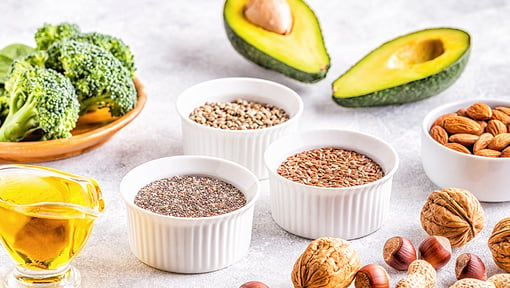
Monounsaturated fats are healthy for you (in moderate amounts) and can be found in plant-based foods, such as:
-
Avocados
-
Nuts and seeds
-
Plant oils such as olive or avocado oil
-
-
Polyunsaturated fats are essential fats. Your body needs them to function. But your body can’t make them, so you need to get them from food.
Polyunsaturated fats are also divided into omega-3s and omega-6s. Both of these fats are healthy and essential, but most traditional American foods contain more omega 6 than 3. Research suggests that bringing these 2 fats into balance is healthful. Omega-6 is often found in oils such as peanut, soybean, and corn oil. Omega-3s are found in:
-
-
Oily fish such as salmon and tuna
-
Canola and walnut oils
-
Soybeans
-
Chia seeds
-
Flaxseeds
-
A delicious one-pot meal to try
Here’s a recipe for a one-pot meal that includes all the food groups listed above. Feel free to be creative and change the kind of beans, grains, fats, or seasoning. Enjoy!
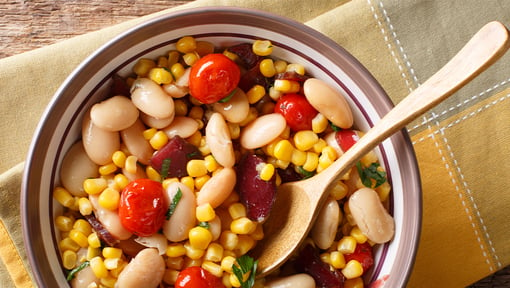
Succotash
This is a classic one-pan recipe, popular especially in the Southern United States. This version uses edamame instead of the traditional lima beans and adds cannellini beans to increase protein. Serve with either cornbread muffins or cooked spaghetti squash to round out the meal.
Number of servings: 3
Prep time: 15 minutes
Cook time: 10 to 15 minutes
Ingredients
- 1 white onion, chopped
- 1 medium poblano pepper, seeded and chopped
- 2 cloves garlic, minced
- 3 Tbsp extra virgin olive oil
- 1 ½ cups frozen corn, or fresh corn cut off the cob
- 1 cup edamame beans, fresh or canned (if canned, drain and rinse first)
- 1 cup canned cannellini beans, rinsed
- 1 large tomato, chopped
- ½ cup vegetable broth
- 2 Tbsp unsalted herbal seasoning
- 1 tsp of salt
Directions:
-
Place onion, poblano pepper, and garlic in a sauté pan and drizzle with olive oil. Sauté over medium heat until the vegetables begin to brown.
-
Add the corn, edamame, cannellini beans, and tomato. Cook until the tomato begins to soften. Add the broth, seasoning, and salt, and cook until heated through. Remove from heat.
-
Serve with corn muffins or over cooked spaghetti squash.
| Nutrition Facts per Serving |
| Calories 460 |
| Protein 17g |
| Fat 21g |
| Cholesterol 20mg |
| Sodium 290mg |
| Total carbohydrate 60g |
| Fiber 11g |
| Sugars 15g |
| Added Sugar 6g |
| Vitamin C 73.8mg |
| Vitamin D 0.3mcg |
| Iron 3.7mg |
| Calcium 120mg |
Thanks for reading this article!
Ready to take your next step toward an active and fit lifestyle?
The Active&Fit Direct™ program (offered through sponsoring organizations and employers) can get you moving! Learn more and check your eligibility.
If you are a Medicare, Medicaid, Medicare Advantage, or Dual Special Needs Plan (DSNP) enrollee, your health plan may provide a subsidized fitness program. Be sure to discuss program availability and eligibility requirements with your health plan.
The information in this and other Active&Fit® blog articles is not intended to take the place of regular medical care or advice. Please check with your doctor before using this information or beginning any fitness or self-care program. Images used for this article do not depict any members of the Active&Fit Direct program.
Nutritional analysis from ReciPal, LLC software. Copyright ©2011–2026 ReciPal, LLC. All rights reserved. More information about ReciPal can be found at www.recipal.com.
References
Brown University Health. (2025, February 20). What are healthy fats and why do you need fat in your diet? https://www.brownhealth.org/be-well/what-are-healthy-fats-and-why-do-you-need-fat-your-diet
Kaspari, K. (2020, November 20). One-pot meal made simple. University of Illinois, Urbana-Champaign. https://extension.illinois.edu/blogs/simply-nutritious-quick-and-delicious/2020-11-20-one-pot-meal-made-simple
Mayo Clinic. (2025, August 19). Whole grains: Hearty options for a healthy diet. https://www.mayoclinic.org/healthy-lifestyle/nutrition-and-healthy-eating/in-depth/whole-grains/art-20047826
Medline Plus. (2025, April 1). Protein in diet. https://medlineplus.gov/ency/article/002467.htm
Mills, S., Brown, H., Wrieden, W., White, M., & Adams, J. (2017). Frequency of eating home cooked meals and potential benefits for diet and health: cross-sectional analysis of a population-based cohort study. The International Journal of Behavioral Nutrition and Physical Activity, 14(1), 109. https://doi.org/10.1186/s12966-017-0567-y
United States Environmental Protection Agency (EPA). (n.d.). Reducing wasted food at home. https://www.epa.gov/recycle/reducing-wasted-food-home
University of Central Florida. (n.d.). 11 reasons to eat vegetables every day. https://ucfhealth.com/our-services/lifestyle-medicine/why-are-vegetables-good-for-you/
University of Illinois. (n.d.). Quick, easy, healthy one-pan meals. https://extension.illinois.edu/sites/default/files/one_pan_meals_0.pdf
This article was written by Sharon Odegaard, edited by Gail Olson, CMT, HHP, and clinically reviewed by Elizabeth Thompson, MPH, RDN, on August 31, 2026.

