

Oct 5, 2026
Healthy meals for picky eaters are possible. Learn practical ways to introduce new foods, make simple swaps, and create positive, stress-free mealtimes.
Everyone knows a picky eater. Maybe it’s a child who only eats certain foods, a partner who avoids anything they’re not used to, or even you. When someone has a limited list of foods they’ll eat, planning healthy meals can feel frustrating and exhausting. It’s easy to worry about nutrition, mealtime battles, or whether introducing new foods is even worth the effort.
There are lots of reasons someone might be a picky eater. But rarely is it simply out of stubbornness. People pick the foods they like based on what tastes good to them and what they’re used to eating. New foods, flavors, and textures can be a hard shift for some people. It helps to remember that change takes time. And this change is worth it to foster a healthy relationship with food.
Instead of trying to force big changes overnight, start with small, practical steps. Serve familiar foods alongside some new ones. Try out a few simple healthy swaps. Invite family members to help prepare meals. These sorts of strategies can make healthy eating feel less stressful and more enjoyable. With a little patience and a positive outlook, you can help build healthier habits and respect everyone’s preferences at the same time.
Here are 8 practical strategies that can work for you:
1. “Upgrade” familiar favorites.
When someone is a picky eater, completely changing their favorite meals can feel overwhelming. Instead of trying to replace foods they already enjoy, look for small ways to make those meals a little more nutritious. The goal is to build on what's already working rather than starting from scratch.
Examples:
-
Mac & cheese: Add pureed butternut squash or cauliflower to the sauce.
-
Spaghetti: Mix finely chopped mushrooms or lentils into ground meat. Swap enriched pasta with whole wheat pasta.
-
Tacos: Use lean protein, like ground turkey or chicken, and add veggie options on the side. Keep your usual toppings.
These small improvements to familiar foods can be easier to accept than a total menu change.
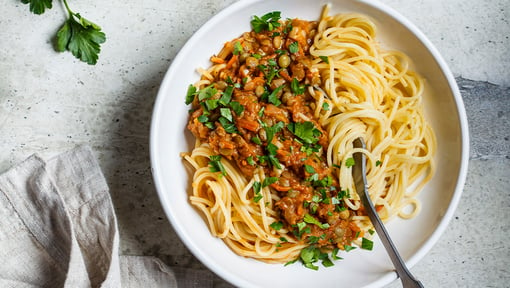
2. Serve build-your-own meals.
Give picky eaters a sense of control while you control the options. People are often more willing to try new foods when they have a choice. Seeing, touching, and smelling the ingredients before they reach the plate can help reduce anxiety about food. So instead of serving a complete dish with everything already mixed together, offer healthy options and let everyone choose what they want.
Examples:
-
Taco bar with lean protein, lettuce, tomatoes, cheese, beans, avocado, and salsa
-
Grain bowls with rice or quinoa, chicken, veggies, and sauce options
-
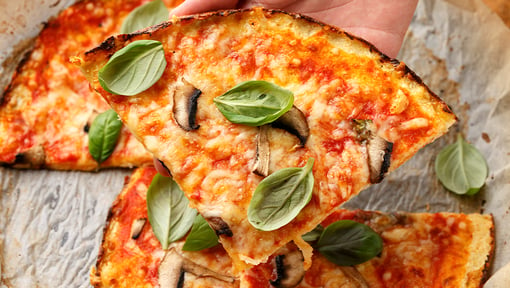
DIY pizzas with whole wheat or cauliflower crust, real tomato sauce, and a selection of toppings
-
Whole grain wrap or sandwich stations with different proteins, veggies, cheeses, and spreads
This allows everyone to get just what they like, while still offering nutritious options.
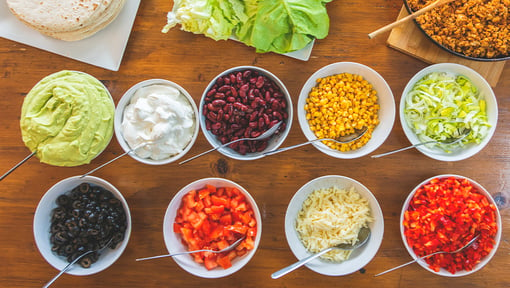
3. Change the form, not the food.
Not every picky eater dislikes a food because of the taste. Sometimes the real issue is the temperature, the texture, or just how it looks. So before writing off a food for good, try switching up how it’s prepared.
Examples:
-
Raw carrots rejected? Try roasting them for a sweeter, softer flavor.
-
Cooked spinach disliked? Blend it into a smoothie or sauce.
-
Whole vegetables avoided? Try soups, sauces, or finely chopped mixes.
Here are 5 different ways you can try cauliflower!
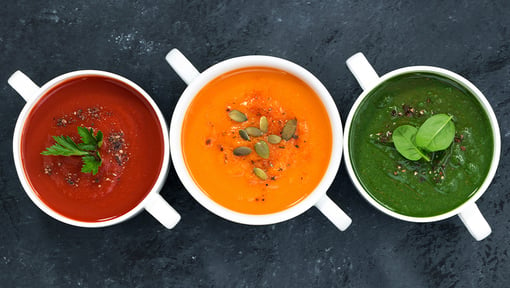
4. Sneak in some healthy stuff (strategically, but not forever).
Hiding healthy ingredients in favorite foods can be a useful way to add nutrients. This works especially well with kids who say they “hate veggies.” But you may not want to use this technique as a long-term strategy. If a child or adult discovers you’ve been secretly altering their food, it may lead to feelings of mistrust. It’s important for people to have a positive relationship with food. You don’t want them to hesitate to try new foods in the future.
Examples:
-
Add spinach, frozen cauliflower, berries, or yogurt to smoothies.
-
Add grated zucchini or carrots to meatballs or burgers.
- Blend veggies into sauces.

5. Use the “one new thing” rule.
As noted, it might not be helpful to completely overhaul someone’s entire diet all at once. Instead, add one small new element alongside familiar foods. This way, most of the meal will still feel familiar, with just one small change. Over time, low-pressure exposures may help taste preferences gradually change.
Examples:
-
If chicken tenders are the safe meal, try adding roasted cauliflower and broccoli on the side.
-
If mac and cheese is the safe meal, see how they react to a little shredded chicken breast mixed in.
- If breakfast cereal is the safe meal, consider sprinkling in fresh berries or sliced bananas.
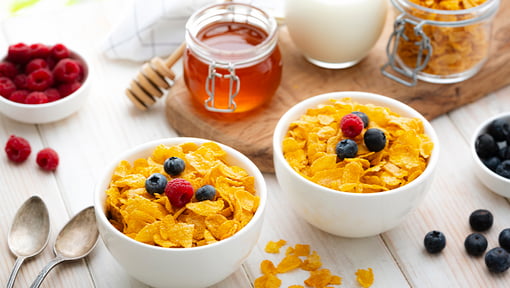
6. Focus on simple, balanced plates.
When you're feeding a picky eater, healthy meals don't have to be complicated. In fact, simple often works best. Instead of trying to create elaborate recipes or hide lots of healthy foods in one dish, focus on building a balanced plate from a few basic ingredients.
Try to include a source of protein, a carbohydrate, a fruit or vegetable of their liking, and a healthy fat. Using the examples below, you can create a simple meal that still provides a good range of nutrients.
Examples:
-
Protein: Chicken, eggs, beans, yogurt
-
Carb: Rice, pasta, potatoes, whole-grain bread
-
Produce: Fruit or veggie
- Healthy fat: Olive oil, avocado, cheese
7. Avoid food battles.
Pressuring someone to eat can often lead to more harm than good. Constantly bargaining or pushing someone to eat certain foods can turn mealtimes into a sore spot. Instead, try to create a low-pressure environment. Keep different foods readily available, but don't force them. The goal is a positive long-term relationship with food.
-
Let them decide how much to eat.
-
Encourage trying foods but not necessarily finishing every bite.
- Try to stay neutral and supportive. You might say something like, “You don’t have to eat it, just give it a try.”

8. Try not to label foods as “good” or “bad.”
It’s instinctive to call out certain foods as “healthy” or “junk food,” but this may backfire when doing so with picky eaters. Labeling foods this way may start to make mealtime feel more like a test of willpower instead of a time to enjoy and explore food. This can add anxiety around eating.
Instead, try talking about foods as fuel or energy, or just as a way to help the body feel good. And it’s okay to have occasional treats. Those little indulgences should be normal, not completely forbidden. Try to think of treats (in moderation) as a normal part of a balanced eating pattern.
Taking a neutral approach to food can lower stress for picky eaters. It may help allow them to be more open to exploring new foods at their own pace.
Just remember, if you have a picky eater in your life (or if you’re the picky eater), the goal shouldn’t be to “fix” the problem overnight. Lasting change for any kind of habit usually happens slowly. With food, it’s often through repeated positive experiences. So, keep encouraging new foods and celebrate each new bite!
Thanks for reading this article!
Ready to take your next step toward an active and fit lifestyle?
The Active&Fit Direct™ program (offered through sponsoring organizations and employers) can get you moving! Learn more and check your eligibility.
If you are a Medicare, Medicaid, Medicare Advantage, or Dual Special Needs Plan (DSNP) enrollee, your health plan may provide a subsidized fitness program. Be sure to discuss program availability and eligibility requirements with your health plan.
The information in this and other Active&Fit® blog articles is not intended to take the place of regular medical care or advice. Please check with your doctor before using this information or beginning any fitness or self-care program. Images used for this article do not depict any members of the Active&Fit Direct program.
References
American Academy of Pediatrics. (2018, April 26). 10 tips for parents of picky eaters. HealthyChildren.org. https://www.healthychildren.org/English/ages-stages/toddler/nutrition/Pages/Picky-Eaters.aspx
Centers for Disease Control and Prevention. (2026, April 14). Picky eaters and what to do. https://www.cdc.gov/infant-toddler-nutrition/foods-and-drinks/picky-eaters.html
Centers for Disease Control and Prevention. (2026, April 14). Tips to help your picky eater. https://www.cdc.gov/nutrition/features/help-picky-eater.html
Harvard T. H. Chan School of Public Health. (2023, January). Healthy eating plate. https://www.hsph.harvard.edu/nutritionsource/healthy-eating-plate/
Kim, S.-O., & Park, S.-A. (2020). Garden-based integrated intervention for improving children's eating behavior for vegetables. International Journal of Environmental Research and Public Health, 17(4), Article 1257. https://doi.org/10.3390/ijerph17041257
Public Health Ontario. (2024, October). Food neutrality or food bias and impact in children and adolescents aged 4–18 years: Evidence brief. https://www.publichealthontario.ca/-/media/Documents/F/24/food-neutrality-children-youth.pdf?rev=360ed6c00a7f42a0b3b9c02d0f2159b5&sc_lang=en
Sharkey, J. R., & Smith, A. (2023). Cooking with the Seasons for Health (CwS4H): An innovative intervention that links nutrition education, cooking skills, and locally grown produce to increase vegetable intake among limited-resource parent–child dyads in rural Washington. Nutrients, 15(22), 4851. https://doi.org/10.3390/nu15224851
Stanford Medicine Children’s Health. (n.d.). Why parents shouldn’t use food as reward or punishment. https://www.stanfordchildrens.org/en/topic/default?id=why-parents-shouldnt-use-food-as-reward-or-punishment-160-32
Trees, N. (2026). Beyond picky eating: A guide to navigating ARFID (avoidant/restrictive food intake disorder) and supporting your loved one. Families Empowered and Supporting Treatment of Eating Disorders. https://feast-ed.org/wp-content/uploads/2026/01/FamilyGuide_BeyondPickyEating_2026_v1.2.pdf
U.S. Department of Agriculture, Food and Nutrition Service. (n.d.). Picky eaters. WIC Works Resource System. https://wicworks.fns.usda.gov/resources/picky-eaters
van der Horst, K., Smith, S., Blom, A., de Almeida Costa, A. I., Haddad, J., & Cunningham-Sabo, L. (2024). Outcomes of children's cooking programs: A systematic review of intervention studies. Journal of Nutrition Education and Behavior, 56(12), 881–892. https://doi.org/10.1016/j.jneb.2024.08.002
This article was written by Jason Nielsen, edited by Keleigh Somes, and clinically reviewed by Elizabeth Thompson, RDN, MPH, on July 28, 2026.

