

Feb 23, 2026
Do you sometimes feel like you’re eating healthy, but you’re still not feeling your best? Sometimes the foods you eat don’t quite match your body’s unique needs.
You’ve been eating whole foods, watching your portion sizes, and cutting back on processed snacks—so why does your body still feel . . . off? Even when you’re eating the “right” foods, you may still be hungry, tired during the day, or struggling with your weight. The thing is, even a well-intentioned food plan can miss the mark if it’s not built around what your body needs.
The first step is to share your symptoms with your doctor and rule out any underlying medical conditions. If your test results are all within the normal range, you can then discuss some of these other ideas to help ease your symptoms.
Here are 5 signs your current eating habits or food plan might not be working for you—and what you can do about it:
1. You’re hungry often.
Feeling hungry—even after meals—could mean your diet lacks balance. You might be missing out on protein, healthy fats, or fiber, all of which help you feel full longer. Relying too much on low-calorie foods can also leave you unsatisfied.
Try this: Add more satiating foods, such as eggs, legumes, nuts, whole grains, and healthy fats like avocado or olive oil, to your meals.

2. You’re tired during the day.
Low energy could be a sign your body isn’t getting the fuel it needs. Or it’s getting the wrong kind of fuel. Skipping meals or not eating enough can lead to blood sugar crashes. Eating refined carbs may give you a brief energy boost, but this spike is often followed by a crash. Nutrient deficiencies, like low levels of iron, vitamin B12, or magnesium, can also leave you feeling drained.
Try this: Aim for balanced meals with complex carbs, protein, and healthy fats.

3. Your weight isn’t changing.
Managing your weight is tricky. Sometimes even a “healthy” diet can hold you back. Eating too little can slow your metabolism and lead to muscle loss. On the other hand, eating too much—even of healthy foods—can lead to unwanted gains. And if you’re not doing enough strength training, it can be harder to lose fat or build muscle.
Try this: Track your food for a few days to spot patterns. Adjust your portions as needed. Also, make sure your workouts support your goals.

4. You’re having digestive issues.
Bloating, constipation, or irregularity usually means your gut isn’t happy. Not getting enough fiber or water can slow digestion, while too much fiber too quickly can cause discomfort. Food intolerances, such as dairy or gluten, may also be to blame.
Try this: Gradually increase your fiber intake, drink plenty of water, and—if symptoms persist—consider a dietitian-supervised elimination diet to pinpoint which foods are causing problems.
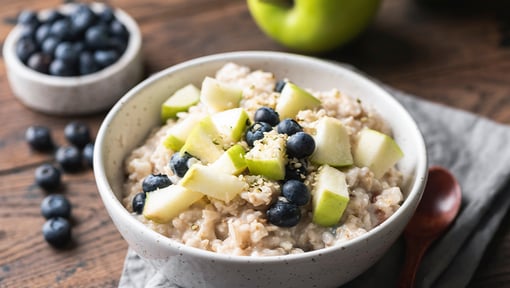
5. You feel guilty about food.
Even a nutritionally sound diet can be emotionally draining. Overly strict eating habits can lead to food obsession, bingeing, or guilt. Labeling foods as “good” or “bad” may lead to anxiety about eating.
Try this: Practice mindful eating and allow yourself some flexibility. Remember, a healthy relationship with food matters just as much as the food itself.
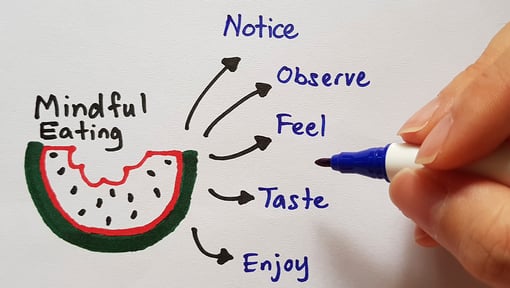
Healthy eating isn’t just about following rules. It’s also about tuning in and listening to your body. If something feels off, take a closer look. Small changes to your eating plan can make a big difference in how you feel, perform, and live.
Thanks for reading this article!
Ready to take your next step toward an active and fit lifestyle?
The Active&Fit Direct™ program (offered through sponsoring organizations and employers) can get you moving! Learn more and check your eligibility.
If you are a Medicare, Medicaid, Medicare Advantage, or Dual Special Needs Plan (DSNP) enrollee, your health plan may provide a subsidized fitness program. Be sure to discuss program availability and eligibility requirements with your health plan.
The information in this and other Active&Fit® blog articles is not intended to take the place of regular medical care or advice. Please check with your doctor before using this information or beginning any fitness or self-care program. Images used for this article do not depict any members of the Active&Fit Direct program.
References
Arend, A. K., Blechert, J., Yanagida, T., Voderholzer, U., & Reichenberger, J. (2024). Emotional food craving across the eating disorder spectrum: An ecological momentary assessment study. Eating and Weight Disorders, 29(1), 58. https://doi.org/10.1007/s40519-024-01690-4
Cleveland Clinic. (2022, May 4). Malnutrition. https://my.clevelandclinic.org/health/diseases/22987-malnutrition
Pugle, M. (2025, August 21). 11 warning signs you’re not getting enough essential nutrients. https://www.verywellhealth.com/nutrient-deficiency-11795198
UCSD School of Medicine. (2024, February 21). From restrictive diets to balanced eating: Navigating the path to a healthier relationship with food. https://chear.ucsd.edu/blog/breaking-the-binge-restrict-cycle-healthy-eating-habits
This article was written by Jason Nielsen, edited by Stephanie Ruiz, and clinically reviewed by Elizabeth Thompson, MPH, RDN, on November 25, 2025.

