

Mar 9, 2026
Discover how ultra-processed foods can hinder your fitness efforts. Plus, explore tasty, healthy food swaps that support your fitness goals.
You may be eating the right number of calories, getting enough protein, and working out regularly. But if you’re eating a lot of ultra-processed foods, you may be unknowingly hindering your fitness efforts.
What are processed foods?
Processed foods refer to any food items that have been changed from their original state. But not all food processing is harmful. Some foods undergo minimal processing. They are only slightly changed and retain most of their nutritional value. Examples include washed and cut fruits, frozen veggies, and roasted nuts.
Other foods go through a bit more processing. These foods may have added salt, sugar, or fat. Or they may go through a preservation process, like canning or non-alcoholic fermentation (such as with bread and cheese). This is typically done to enhance the flavor or make the food last longer. Canned fruits, fish, and pickles fall into this category. They don’t have too many extra ingredients and can still be nutritious. (The Nutrition Facts label can help you determine just how nutritious they are.)
Then there are ultra-processed foods. These products are often preserved with sodium nitrates. They likely include a long list of ingredients with added sugars or other sweeteners, food dyes, and flavoring agents. And they often no longer resemble the foods they came from. These include snacks like chips, sodas, cookies, candies, and packaged desserts. They also include instant soups, lunch meats, boxed pasta meals, and flavored coffee creamers. Though they may be tasty and convenient, ultra-processed foods typically lack the nutrients your body needs.

How ultra-processed foods harm muscles
More and more research is being done on ultra-processed foods. The results continue to show that eating a lot of these foods can harm your health. In fact, recent research has shed light on the way they impact your muscles. Ultra-processed foods impair muscle quality because they can:
- Sneak fat into muscles
A recent study found that eating too many ultra-processed foods can lead to extra fat in your thigh muscles. That fat may replace some of your healthy muscle fibers, leading to lower muscle quality. The extra fat may also raise your risk of knee osteoarthritis. If you’re trying to build strength, eating ultra-processed foods could hinder your efforts. The loss of muscle fibers can impair your ability to build strength and perform at your best.
Another study linked ultra-processed foods with lower muscle mass. While more research is needed, these foods appear to undermine your body’s ability to build muscle.
- Lead to chronic inflammation
Ultra-processed foods are often packed with sugar, sodium, and saturated fats. This can trigger inflammation throughout your body. Plus, high blood sugar from refined carbs (like white bread and sweets) can cause more fat storage and worsen inflammation.
- Hinder muscle recovery
With chronic inflammation, the post-workout healing process is slowed down. Your body must focus on reducing inflammation. This takes energy away from repairing and rebuilding your muscles, so they can’t recover as quickly or efficiently. Muscle soreness may also last longer and you may feel more tired.
- Lack nutrients for muscle support
Your body needs nutrients to recover. Protein, complex carbs, and healthy fats, as well as vitamins and minerals, all play a role in keeping your body healthy and helping your muscles recover. Ultra-processed foods often lack the nutrients you need to support muscle growth.
But there’s even more to it than nutrients alone. In one study , participants were given diets with similar nutrients, but one was based on minimally processed foods and the other on ultra-processed foods. The group eating minimally processed foods lost more weight and fat. They also reported feeling fuller and more satisfied.

Nutrition for fitness
Eating foods with the least amount of processing is the best way to support your health and fitness. But when life is busy, sometimes pre-packaged food can save you a bit of time and stress. If you’re reaching for something quick and easy, check the ingredients label first. Look for:
- Recognizable, whole-food ingredients
- Shorter ingredients list
- No preservatives or additives
- No or minimal added sugars and salt
Keep in mind that many foods are designed to sound healthy when they are, in fact, ultra-processed. Take protein bars, for example. Most of these contain added sugars or artificial sweeteners and highly refined ingredients like protein isolate. But better options do exist. Check the ingredients label and look for whole foods like nuts, seeds, and dried fruits. And look for low amounts of added sugar and saturated fats.
Learn more ways to spot foods with less processing.
When you can, plan ahead so you’re not relying on packaged foods as much. Cook at home and make enough for leftovers. Meal prep so you have healthy meals for the whole week. Shop the perimeter of the grocery store where the freshest foods are kept. You can also try these healthy food swaps to cut back on ultra-processed foods:
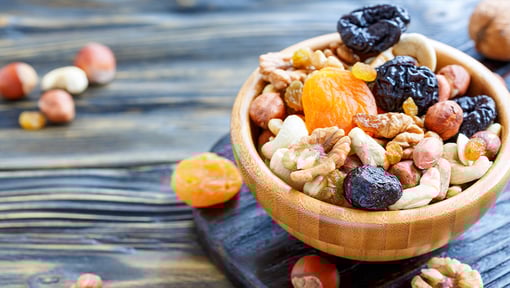
- Protein bar: Swap with nuts and dried fruit or Greek yogurt.
- Chips and crackers: Swap with cucumbers, carrots, and bell peppers.
- Lunch meat: Swap with grilled chicken or tuna.
- Breakfast cereal: Swap with oatmeal or whole grain cereal.
- White pasta: Swap with whole wheat or chickpea pasta.
- Mayonnaise: Swap with hummus or avocado.
Want even more ways to support your fitness through nutrition? Find out which pre- and post-workout snacks are best.
Supporting your fitness goals starts with what you put on your plate. So, choose more minimally processed foods, those that still resemble their natural state. And steer clear of ultra-processed foods that sabotage your muscle quality and recovery. By ditching those unhealthy options, you can not only improve your fitness but also enhance your overall well-being.
Thanks for reading this article!
Ready to take your next step toward an active and fit lifestyle?
The Active&Fit Direct™ program (offered through sponsoring organizations and employers) can get you moving! Learn more and check your eligibility.
If you are a Medicare, Medicaid, Medicare Advantage, or Dual Special Needs Plan (DSNP) enrollee, your health plan may provide a subsidized fitness program. Be sure to discuss program availability and eligibility requirements with your health plan.
The information in this and other Active&Fit® blog articles is not intended to take the place of regular medical care or advice. Please check with your doctor before using this information or beginning any fitness or self-care program. Images used for this article do not depict any members of the Active&Fit Direct program.
References
Academy of Nutrition and Dietetics. (2023, January 30). Processed foods: A closer look. EatRight.org. https://www.eatright.org/health/wellness/diet-trends/processed-foods-whats-ok-and-what-to-avoid
American Council on Exercise. (2025, October). Unpacking the ultra-processed food problem: What health and exercise professionals need to know. https://www.acefitness.org/continuing-education/certified/october-2025/8979/unpacking-the-ultra-processed-food-problem-what-health-and-exercise-professionals-need-to-know/
Clay, E. (2025, April 7). Understanding ultra-processed foods: How they affect your health and what you can do about it. Loyola Medicine. https://www.loyolamedicine.org/blog-articles/understanding-ultra-processed-foods-and-how-they-affect-your-health
Cleveland Clinic. (2024, April 29). 5 types of foods that cause inflammation. https://health.clevelandclinic.org/foods-that-can-cause-inflammation
Costa, K. (2024, October 7). Are protein bars health food or hype? A dietitian shares what to look for, and what to avoid. GoodRx. https://www.goodrx.com/well-being/diet-nutrition/are-protein-bars-good-for-you
Kong, W., Xie, Y., Hu, J., Ding, W., & Cao, C. (2024). Higher ultra processed foods intake is associated with low muscle mass in young to middle-aged adults: A cross-sectional NHANES study. Frontiers in Nutrition, 11, 1280665. https://doi.org/10.3389/fnut.2024.1280665
Ma, X., Nan, F., Liang, H., Shu, P., Fan, X., Song, X., Hou, Y., & Zhang, D. (2022). Excessive intake of sugar: An accomplice of inflammation. Frontiers in Immunology, 13, 988481. https://doi.org/10.3389/fimmu.2022.988481
Radiological Society of North America. (2024, December 4). Eating high-processed foods impacts muscle quality [Press release]. https://www.rsna.org/media/press/i/2536
Robinson, L., & Segal, J. (2025, January 16). Refined carbs and sugar: Choosing healthier unrefined carbohydrates. HelpGuide.org. https://www.helpguide.org/wellness/nutrition/choosing-healthy-carbs
Sajan, K., Anthireddy, N., Matarazzo, A., Furtado, C., Hennekens, C. H., & Ferris, A. (2025). Ultra-processed foods and increased high sensitivity C-reactive protein. The American Journal of Medicine, 138(12), 1742–1745. https://doi.org/10.1016/j.amjmed.2025.08.016
Tristan Asensi, M., Napoletano, A., Sofi, F., & Dinu, M. (2023). Low-grade inflammation and ultra-processed foods consumption: A review. Nutrients, 15(6), 1546. https://doi.org/10.3390/nu15061546
This article was written by Keleigh Somes, edited by Celina Johnson, and clinically reviewed by Elizabeth Thompson, MPH, RDN, on December 17, 2025.

